Stroke can change life in an instant. Beyond the immediate medical emergency, survivors often face challenges with movement, speech, memory and independence. Neurorehabilitation is a vital part of the healing journey, offering structured support to help individuals rebuild their lives after stroke. It focuses on helping the brain and body relearn skills that may have been affected. Although stroke injures part of the brain, recovery is possible because the brain has a remarkable ability to adapt, through a process called neuroplasticity where healthy areas of the brain can gradually take on new roles when guided through therapy.
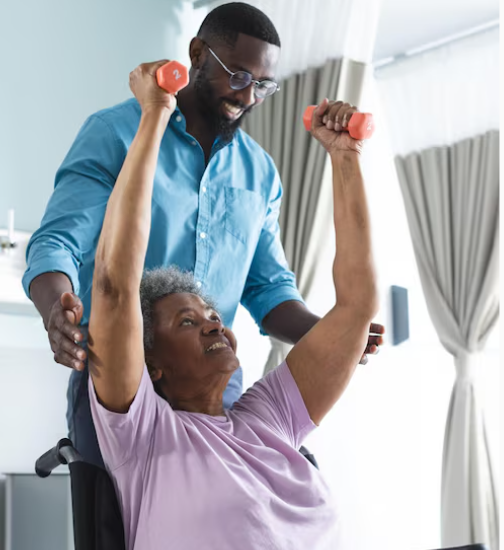
Neurorehabilitation usually begins once the patient is medically stable and continues over weeks or months, depending on individual needs. Care is delivered by a multidisciplinary team that may include physiotherapists, occupational therapists, speech therapists, and rehabilitation physicians. Together, they address mobility, daily activities, communication, swallowing and cognitive function.
Regular neurorehabilitation therapy helps prevent permanent disabilities, builds confidence, and promotes long-term independence and healing. Patients living with stroke undergo various forms of psychosocial anxiety which require continuous counselling, encouragement, social structure, reassurance and family support during this transition. Neurorehabilitation after stroke is a unique and personalized recovery process that requires a multidisciplinary team. It demands patience and commitment from everyone involved, beginning in the hospital and continuing at home. Neurorehabilitation is not only about regaining lost abilities; but also involves restoring confidence, dignity and hope for stroke survivors and those who care for them.
Leave a Reply